


Exercises · Muscle group · Updated
Back exercises
Back exercises fall into two groups: pulls from above, such as the lat pulldown and pull-up, and rows from the front, such as the bent-over row and seated cable row. Pulls from above build back width and rows build thickness between the shoulder blades. This page also includes trapezius exercises such as shrugs.
- Exercises
- 59 exercise pages
- Most common equipment
- Barbell, Cable, Machine
- Most logged exercise
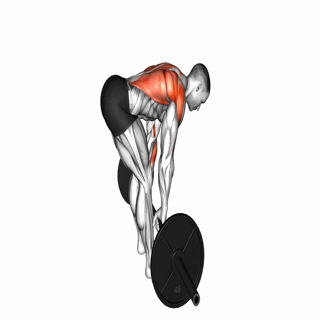
- Barbell Bent Over Row
Back muscles: what back exercises train
- Latissimus dorsi (latissimus dorsi)
- The largest back muscle runs from the pelvis and lower back to the upper arm. It pulls the arm down and back, so it does the main work in lat pulldowns, pull-ups and rows. The lats give the upper body its V shape.
- Trapezius (trapezius)
- A large diamond-shaped muscle from the neck to between the shoulder blades. The upper part raises the shoulders, the middle part pulls the shoulder blades together in rows and the lower part pulls them down. People often mean only the upper neck area, but the muscle is much larger.
- Rhomboids (rhomboideus major et minor)
- The rhomboid major and minor sit under the trapezius between the shoulder blades. They pull the shoulder blades toward the spine, so they work in every row where you squeeze your shoulder blades together.
- Erector spinae (erector spinae)
- Runs along both sides of the spine from the pelvis to the neck and keeps the back straight. Deadlifts, bent-over rows and back extensions load it the most. Lower back exercises have their own page.
Most-logged back exercises among SisuLift users
The order comes from how many SisuLift users have logged sets of each exercise. It includes exercises that have a guide page in the exercise library, and it updates as people log their workouts.
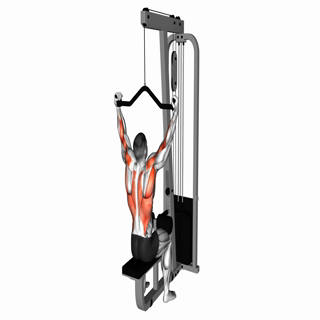
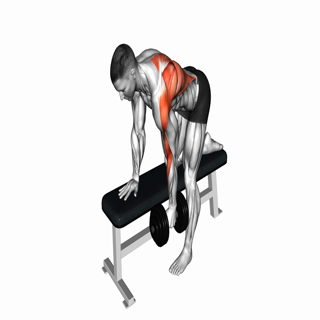
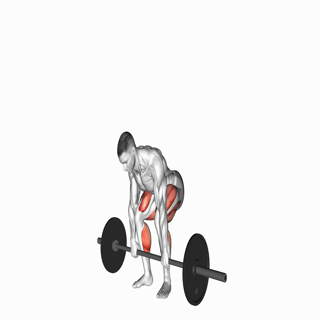
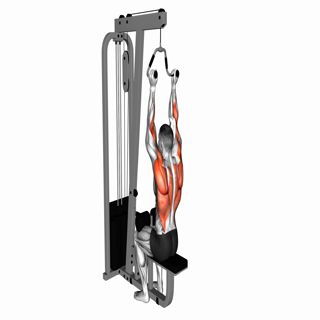
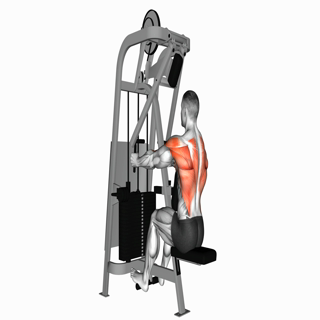
How to train your back
Every week, do both pulls from above and rows. Lat pulldowns alone leave the area between the shoulder blades underworked, and rows alone the lats. The back tolerates a lot of sets, and most people benefit more from back training than from chest training.
Start the movement from the shoulder blades: pull them down before your elbows bend. If you mostly feel pulls in your biceps, your grip is too tight or the weight is too heavy. Lighten it, think of pulling with your elbows and pause at the bottom.
How many weekly sets for the back
These are the numbers SisuLift starts your weekly volume from before you have any training history. As your logs build up, the app moves the target based on how your strength develops. Only hard sets count: a direct exercise counts as one set, and an exercise where the muscle assists counts as half a set.
| Experience | Minimum | Target | Upper limit |
|---|---|---|---|
| Beginner | 6 sets | 11 sets | 16 sets |
| Intermediate | 8 sets | 14 sets | 20 sets |
| Advanced | 9 sets | 16 sets | 23 sets |
Minimum is the amount that usually still drives progress. Upper limit is the amount beyond which recovery usually starts to suffer. Split the weekly sets across two or three workouts.
Example workout from the most-logged exercises
The most-logged exercises from different exercise families, compound movements first. Sets, reps and rest are the same ones SisuLift uses for a muscle growth goal.
| Exercise | Sets | Reps | Rest |
|---|---|---|---|
| Barbell Bent Over Row | 3–4 | 8–12 | 2.5 min |
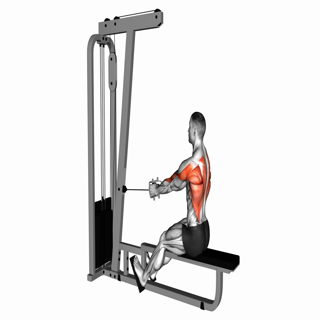
| Seated Cable Row | 3–4 | 8–12 | 2.5 min |
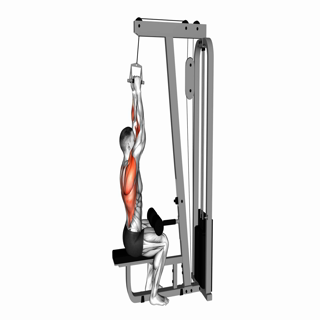
| Cable Lat Pulldown with V-bar | 3–4 | 8–12 | 2.5 min |
| Wide Grip Lat Pulldown | 3–4 | 8–12 | 2.5 min |
Done twice a week, this adds up to 24–32 sets per week. The rep ranges are those for a muscle growth goal.
Main exercises and their variations
These exercises have their own page with variations, sets and reps and the most common questions in one place.
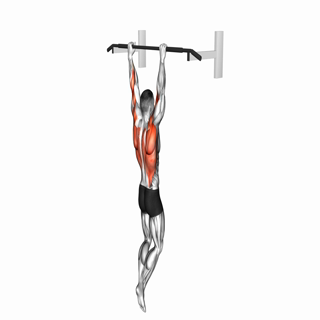
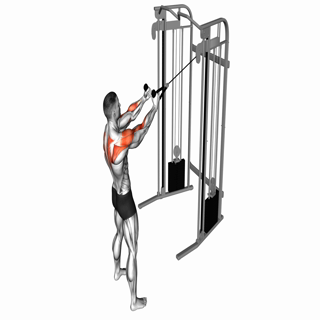
All back exercises (59)
Every exercise with a guide page in the exercise library, grouped by equipment. The equipment heading takes you to all exercises for that equipment.
Barbell13 exercises
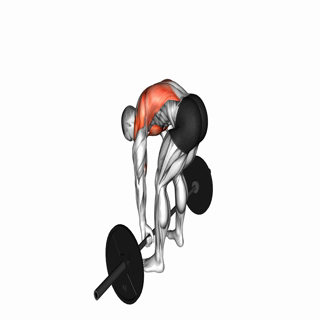
- Barbell Bent Over Row
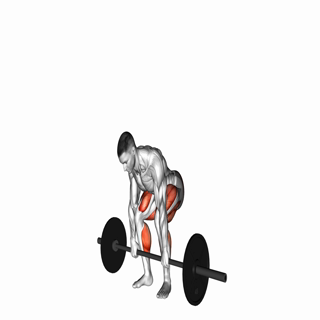
- Barbell Deadlift
- Barbell Row (Underhand)
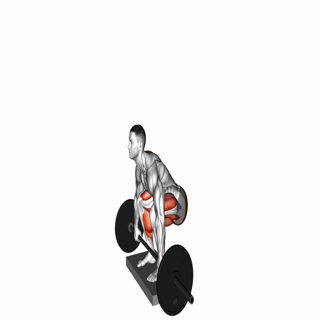
- Barbell Deadlift from Deficit
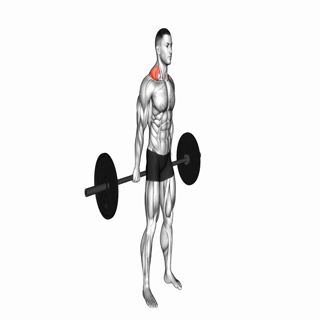
- Barbell Shrugs
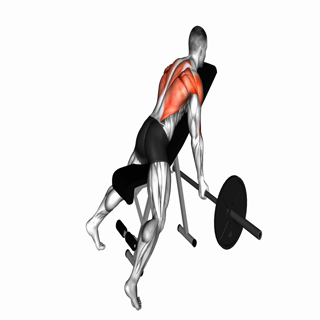
- Barbell reverse grip incline bench row
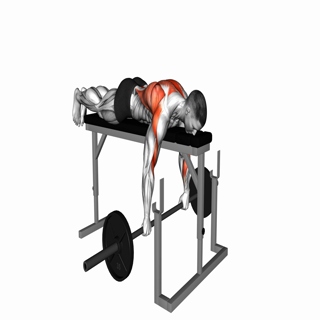
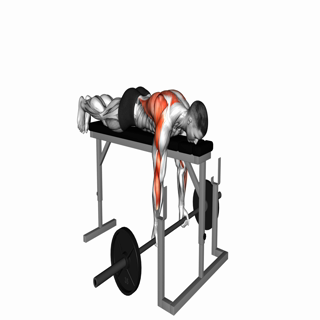
- Barbell Lying Seal Row on Rack
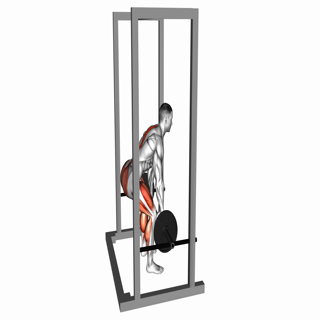
- Barbell Pendlay Row
- Barbell Pause Deadlift
- Barbell bench row with close underhand grip
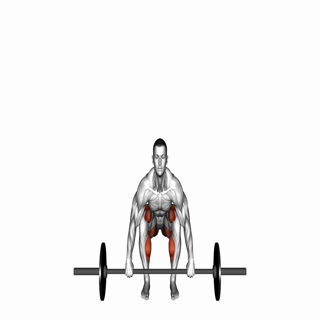
- Barbell Deadlift (front POV)
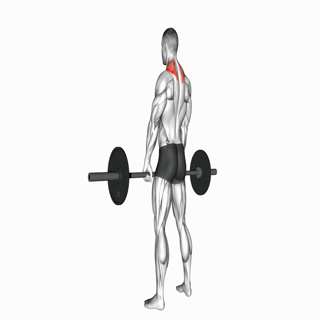
- Barbell Behind The Back Shrug
- Barbell Rack Pull
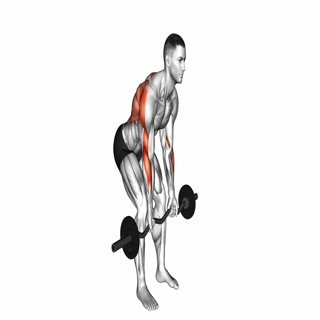
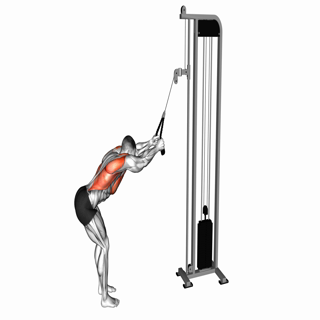
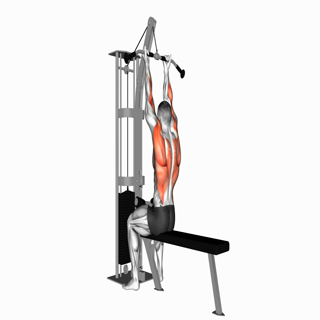
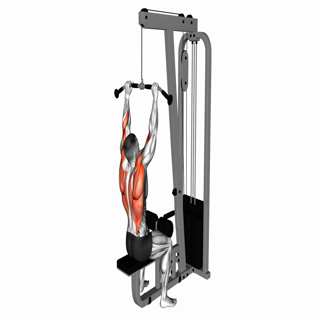
Cable13 exercises
- Seated Cable Row
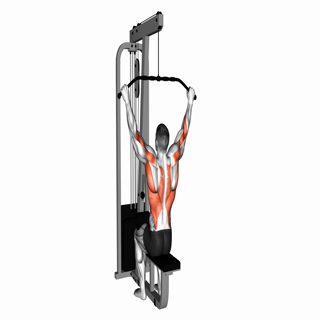
- Cable Lat Pulldown with V-bar
- Wide Grip Lat Pulldown
- Cable Neutral Grip Lat Pulldown
- Cable Pulldown (pro lat bar)
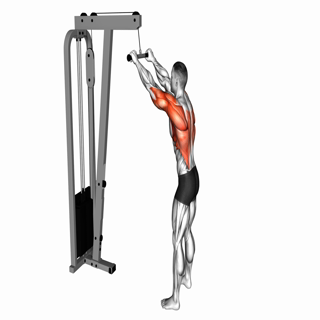
- Cable Straight Arm Pulldown
- Underhand Lat Pulldown machine
- Cable one arm lat pulldown
- Cable Lying Extension Pullover (with rope attachment)
- Cable Seated Supine grip Row
- Cable Straight Arm Pulldown (with rope attachment)
- Cable Reverse grip Straight Back Seated High Row
- Cable Pulldown
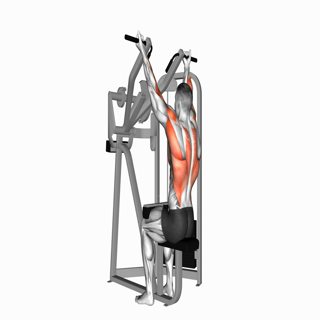
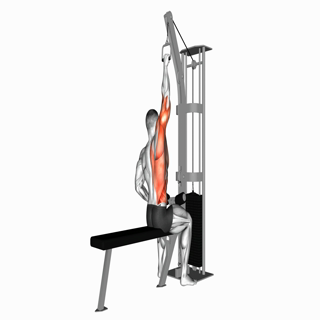
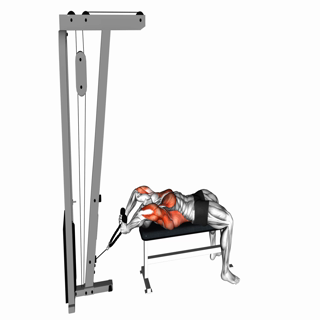
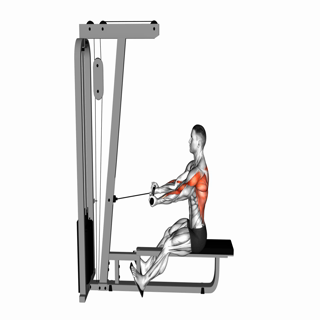
Machine12 exercises
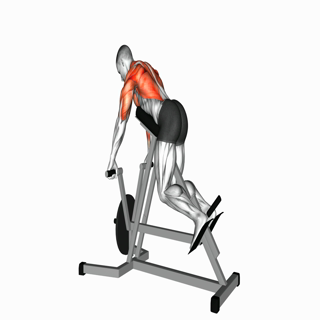
- Chest Supported Row Machine
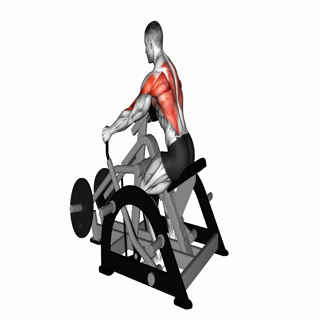
- Lever Seated Row (plate loaded)
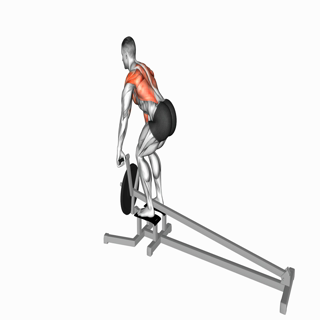
- Lever Lying T-bar Row
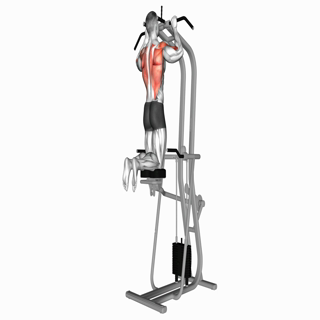
- Assisted Pull-up
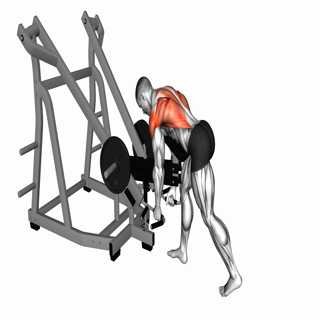
- Lever T-bar Row (plate loaded)
- Lever Bent Over Neutral Grip Row (with chest support)
- Lever Pronated Grip Seated Row (plate loaded)
- Lever Low Row (plate loaded)
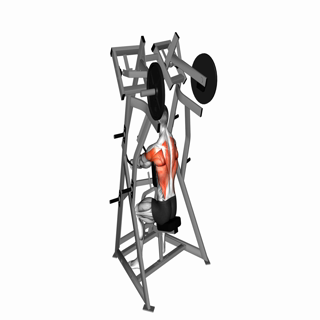
- Lever Lat Pulldown (plate loaded)
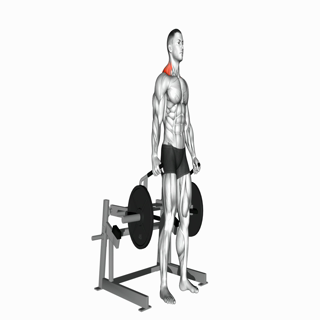
- Lever Shrug (plate loaded)
- Lever High Row (plate loaded)
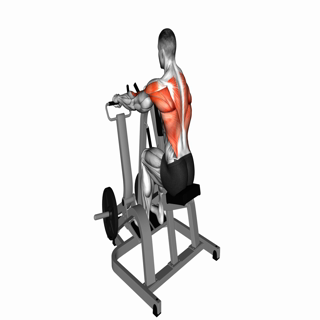
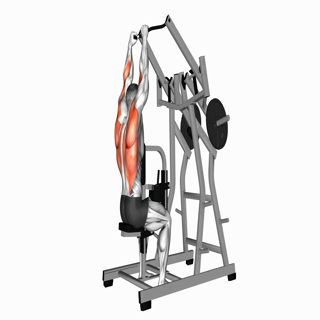
- Lever Cross Lat Pulldown
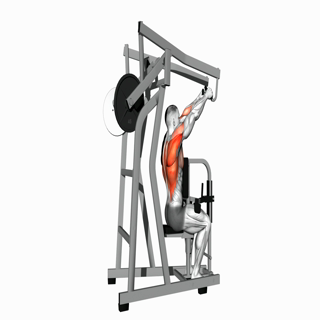
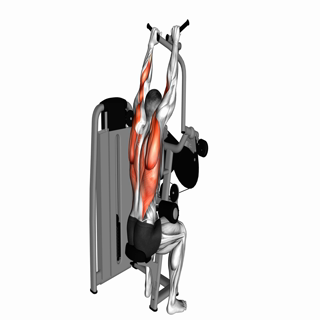
Bodyweight11 exercises
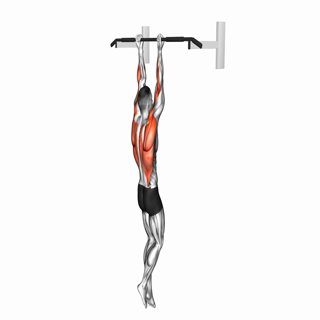
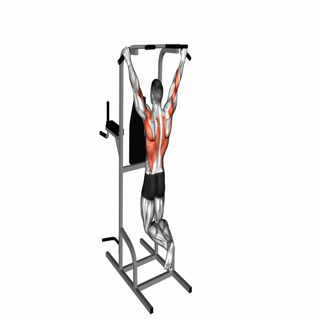
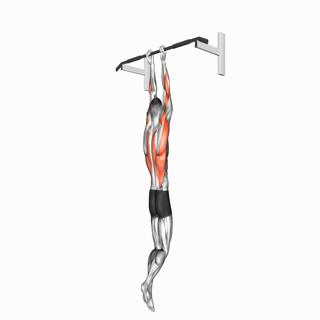
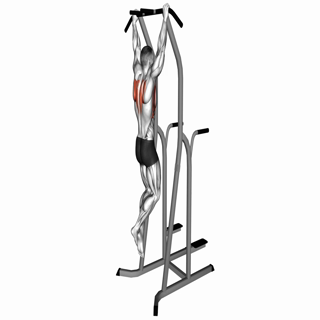
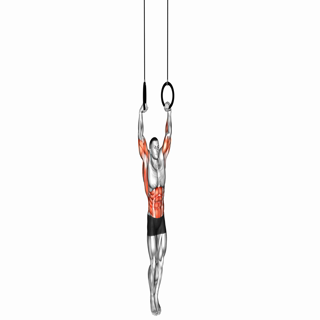
Dumbbell5 exercises
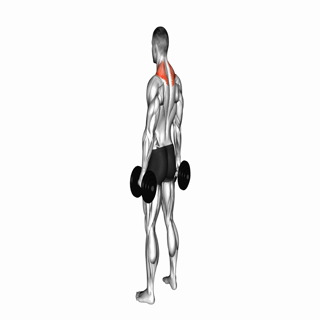
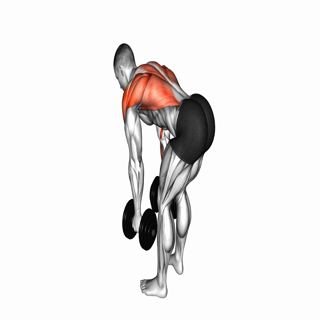
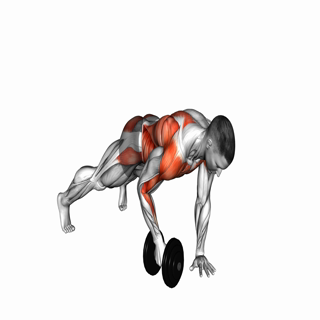
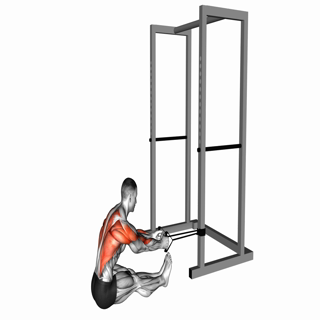
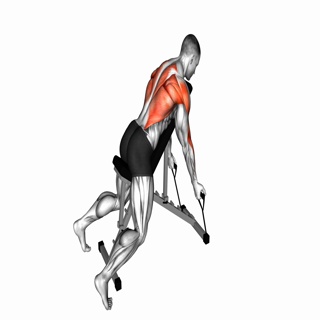
Kettlebell1 exercise
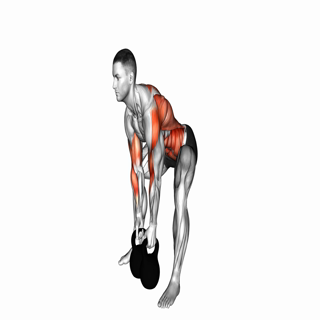
Other equipment1 exercise
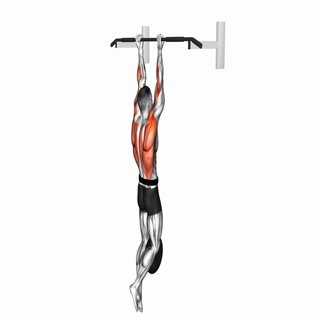
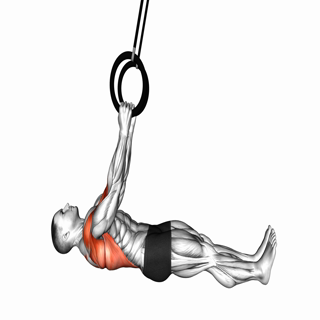
Frequently asked
What is the best back exercise?
The most-logged back exercise among SisuLift users is Barbell Bent Over Row. If you pick only two, take one pull from above (lat pulldown or pull-up) and one row (bent-over row or seated cable row). Together they load the lats, the trapezius and the rhomboids.
Which exercises build back width?
Width comes from the lats, which are loaded by pulls from above: lat pulldowns, pull-ups and straight-arm cable pulldowns. Thickness between the shoulder blades comes from rows where you pull your elbows back and squeeze the shoulder blades together. Grip width changes the emphasis less than people often think.
How do you train the trapezius?
The upper trapezius grows from barbell or dumbbell shrugs and heavy pulls such as deadlifts and farmer's walks. The middle and lower parts work in rows, face pulls and rear delt exercises when you pull your shoulder blades together and down.
How many sets for the back per week?
At intermediate level SisuLift starts the back at 14 sets per week, with a minimum of 8. For beginners the target is 11. Split the sets over two workouts and include both a pull from above and a row. As your logs build up, the app adjusts the target based on your strength progress.
How do you train your back at home?
A doorway pull-up bar is the best home back tool. Without one, you can train your back with one-arm dumbbell rows, band rows or inverted rows under a sturdy table. Band and bodyweight exercises have their own pages.