


Exercises · Muscle group · Updated
Chest exercises
Chest exercises train the pectoralis major, which brings the arm across the body and presses it forward. Bench presses, incline presses and push-ups load it heavily, and flyes and the pec deck finish it off. The bench angle shifts the emphasis between the upper and lower parts of the muscle.
- Exercises
- 40 exercise pages
- Most common equipment
- Dumbbell, Bodyweight, Barbell
- Most logged exercise
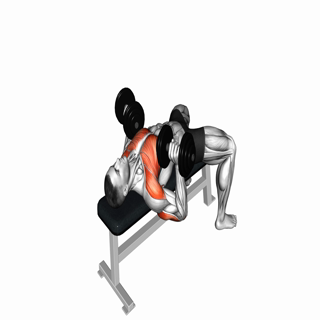
- Dumbbell Bench Press
Chest muscles: what chest exercises train
- Upper pectoralis major (pectoralis major, pars clavicularis)
- The part that starts at the collarbone raises the arm forward and up. It is loaded most on an incline bench at about 15–30 degrees and in low-to-high cable flyes. The upper part fills out the chest under the collarbone.
- Middle and lower pectoralis major (pectoralis major, pars sternocostalis)
- The largest part of the chest starts at the breastbone and ribs. It does the main work in flat bench presses, dips and the pec deck. On a decline bench and in high-to-low cable flyes the emphasis shifts to the lower part.
- Pectoralis minor (pectoralis minor)
- The small muscle under the pectoralis major pulls the shoulder blade forward and down. It is barely visible, but it works in presses and dips. Chest stretching and rear delt training balance it out if your shoulders round forward.
- Serratus anterior (serratus anterior)
- The muscle on the side of the ribs moves the shoulder blade forward along the rib cage. It works at the top of a push-up and in scapular push-ups and keeps the shoulder blade against the rib cage.
Most-logged chest exercises among SisuLift users
The order comes from how many SisuLift users have logged sets of each exercise. It includes exercises that have a guide page in the exercise library, and it updates as people log their workouts.
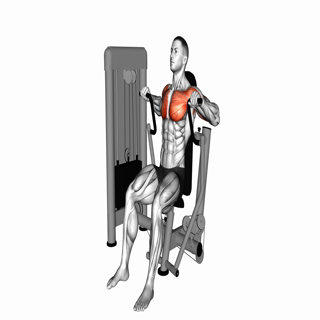
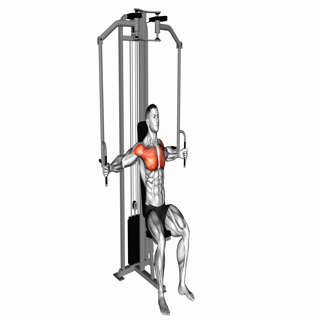
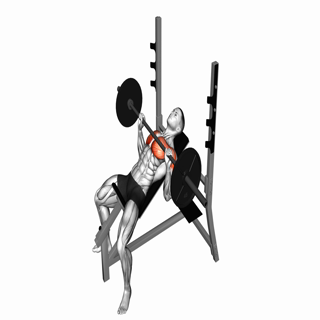
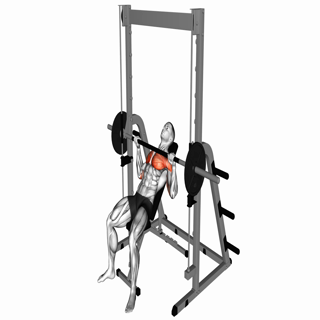
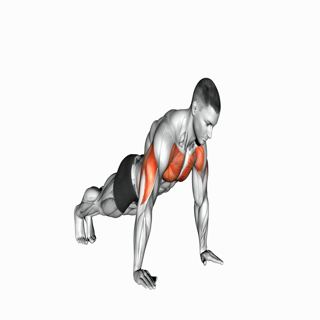
How to train your chest
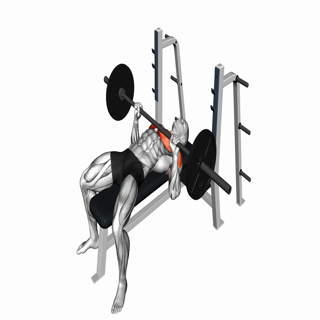
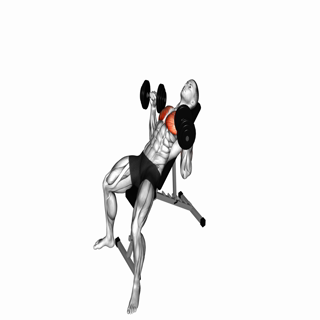
Build on one heavy barbell or dumbbell press. Follow it with a second press at a different angle, such as a low incline, and one flye or pec deck. When pressing, the chest is loaded most when your shoulder blades are together and down and your elbows are at about 45–70 degrees from your body.
With dumbbells the range of motion is longer and each side does its own work. With a barbell you lift heavier and progress is easier to track. Both build the chest when sets get close to failure, so pick the one you will keep doing week after week.
How many weekly sets for the chest
These are the numbers SisuLift starts your weekly volume from before you have any training history. As your logs build up, the app moves the target based on how your strength develops. Only hard sets count: a direct exercise counts as one set, and an exercise where the muscle assists counts as half a set.
| Experience | Minimum | Target | Upper limit |
|---|---|---|---|
| Beginner | 6 sets | 11 sets | 16 sets |
| Intermediate | 8 sets | 14 sets | 20 sets |
| Advanced | 9 sets | 16 sets | 23 sets |
Minimum is the amount that usually still drives progress. Upper limit is the amount beyond which recovery usually starts to suffer. Split the weekly sets across two or three workouts.
Example workout from the most-logged exercises
The most-logged exercises from different exercise families, compound movements first. Sets, reps and rest are the same ones SisuLift uses for a muscle growth goal.
| Exercise | Sets | Reps | Rest |
|---|---|---|---|
| Dumbbell Bench Press | 3–4 | 8–12 | 2.5 min |
| Low Incline Dumbbell Press | 3–4 | 8–12 | 2.5 min |
| Chest Press Machine | 3–4 | 8–12 | 2.5 min |
| Pec deck | 3 | 10–15 | 1.5 min |
Done twice a week, this adds up to 24–30 sets per week. The rep ranges are those for a muscle growth goal.
Main exercises and their variations
These exercises have their own page with variations, sets and reps and the most common questions in one place.
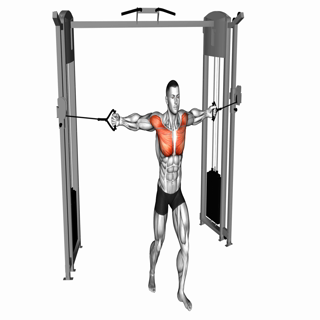
All chest exercises (40)
Every exercise with a guide page in the exercise library, grouped by equipment. The equipment heading takes you to all exercises for that equipment.
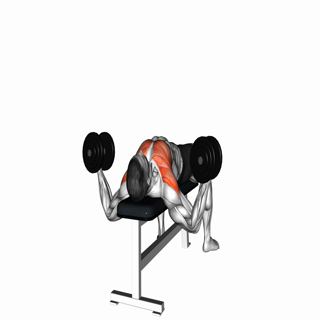
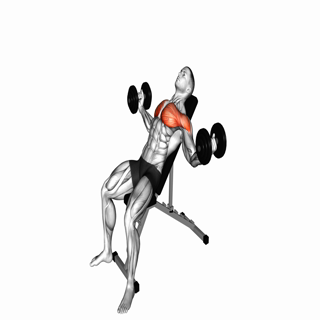
Dumbbell10 exercises
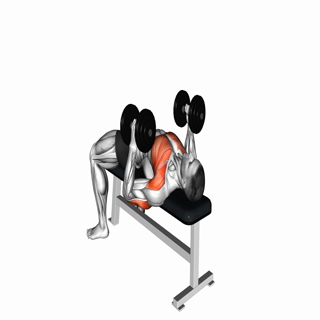
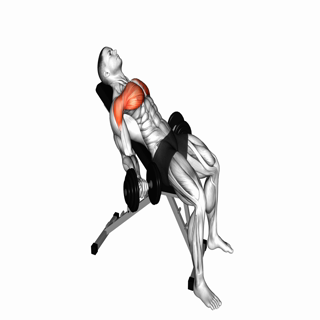
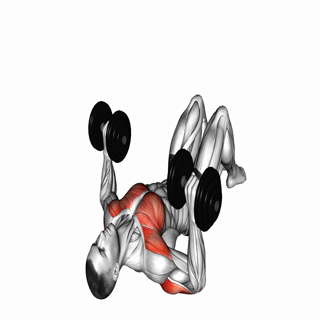
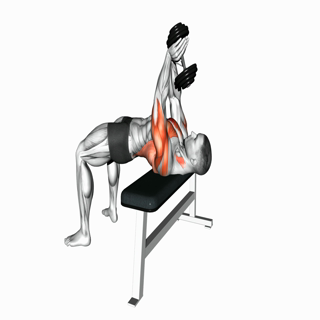
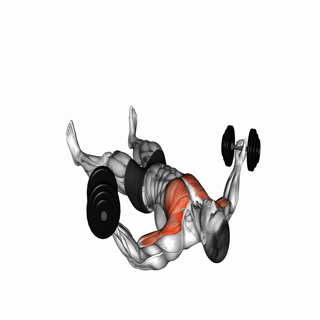
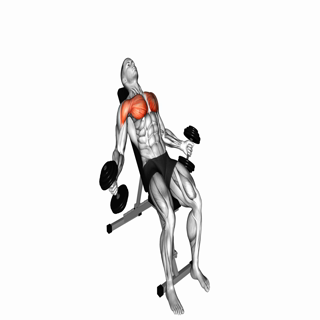
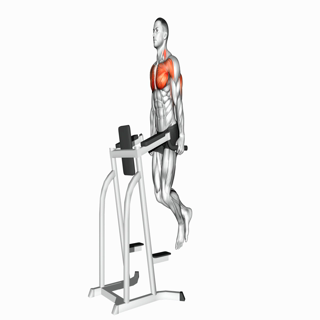
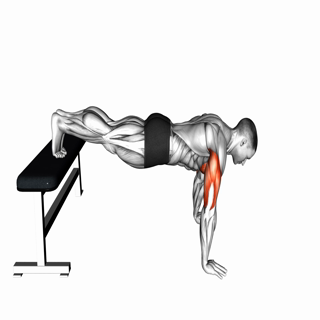
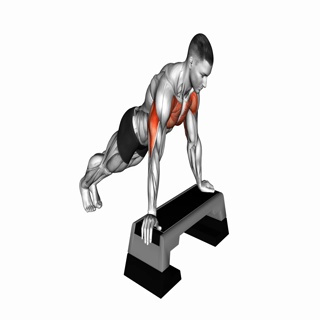
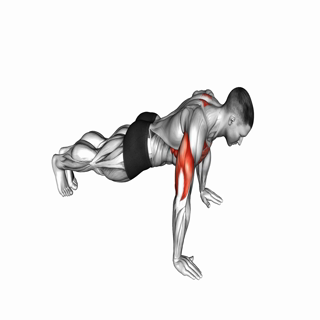
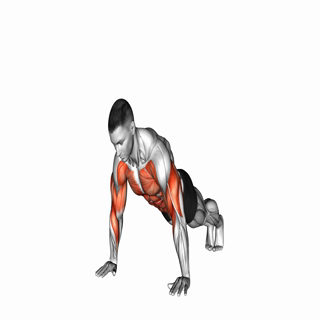
Bodyweight9 exercises
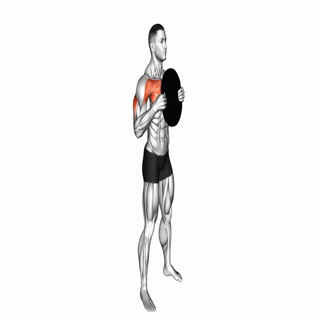
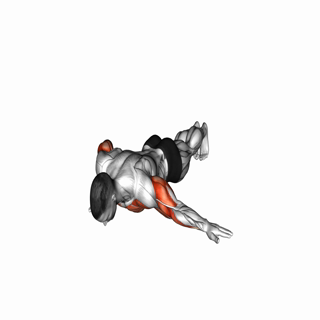
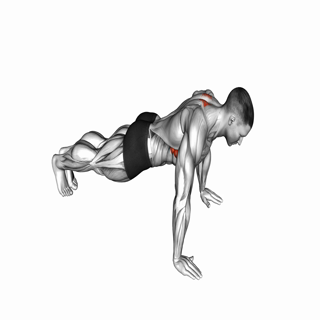
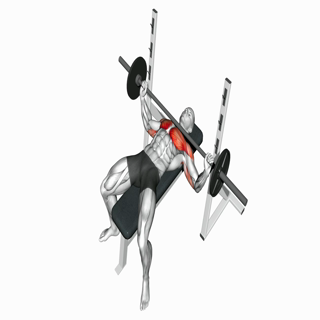
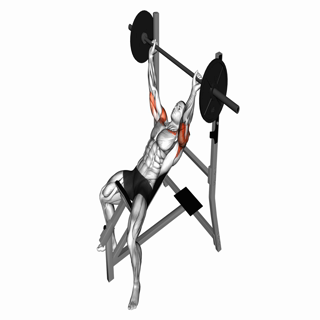
Barbell6 exercises
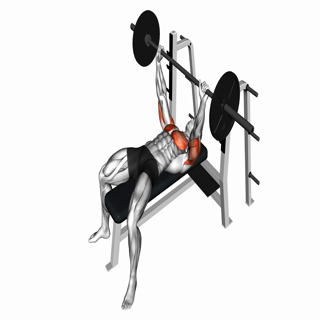
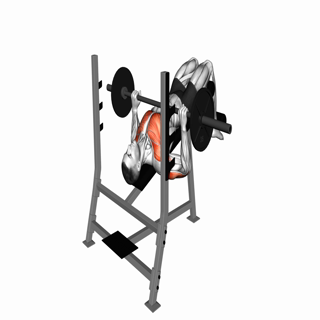
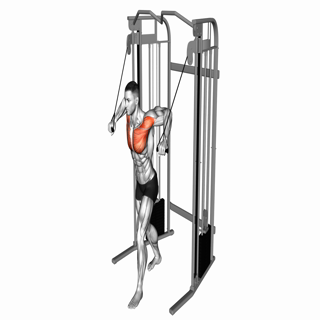
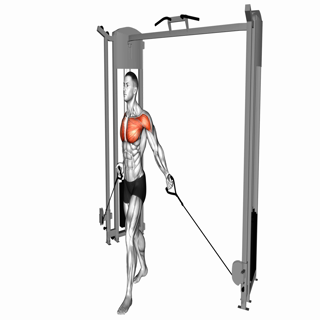
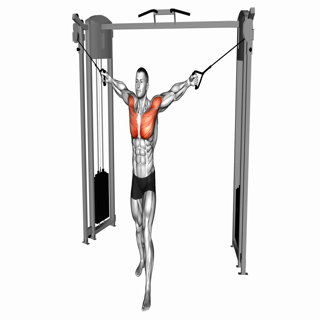
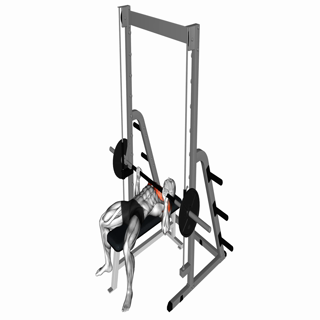
Cable6 exercises
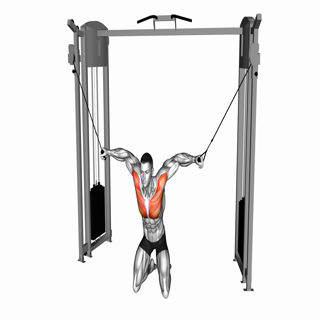
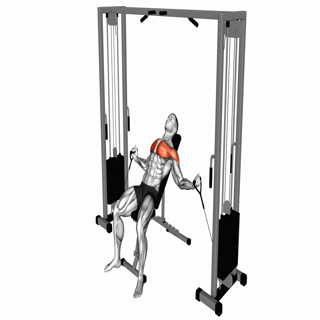
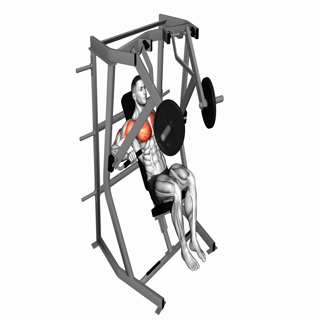
Machine5 exercises
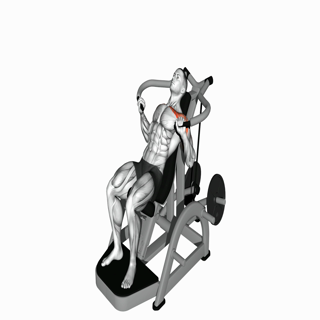
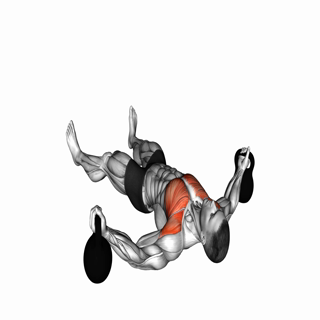
Kettlebell1 exercise
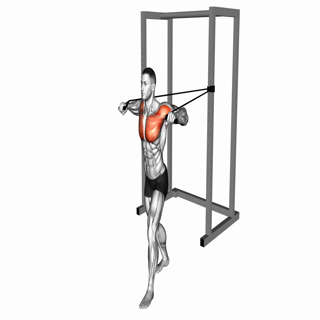
Resistance band1 exercise
Frequently asked
What is the best chest exercise?
The most-logged chest exercise among SisuLift users is Dumbbell Bench Press. The barbell or dumbbell bench press is the basic chest exercise because it allows the heaviest load. Add one incline exercise for the upper chest and one flye or pec deck where the chest stretches far.
How do you train the upper chest?
The upper chest is loaded most when the bench is at about 15–30 degrees. A low incline dumbbell or barbell press is the best basic exercise for it. A steeper angle shifts the work to the front delts. Low-to-high cable flyes complement it well.
How many sets for the chest per week?
At intermediate level SisuLift starts the chest at 14 sets per week, with a minimum of 8. For beginners the target is 11. The chest is a large muscle group, so split the sets over two workouts. As your logs build up, the app adjusts the target based on your strength progress.
How do you train your chest at home?
The push-up is the best home chest exercise. When 20 reps feel easy, elevate your feet, slow down the lowering, add weight in a backpack or try archer push-ups. A band adds resistance at the top, and dips between two sturdy chairs load the lower chest.
What angle should an incline bench be?
About 15–30 degrees is enough to emphasise the upper chest. When the angle rises to 45 degrees or more, the front delts do more and more of the work and the exercise starts to resemble an overhead press. On most adjustable benches the first or second notch is right.