



Exercises · Muscle group · Updated
Hip flexors and adductors
The hip flexors lift the thigh forward, and the adductors pull the leg toward the midline. Both sit at the front and inside of the hip in the groin area, and they tighten easily if you sit a lot. This page has exercises that strengthen them and stretches that open them up.
- Exercises
- 16 exercise pages
- Most common equipment
- Bodyweight, Cable, Machine
- Most logged exercise
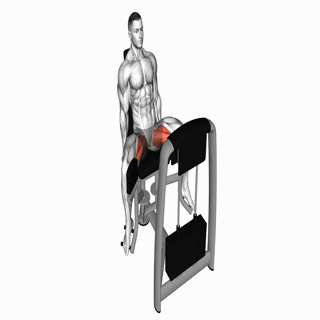
- Lever Seated Hip Adduction
Muscles at the front and inside of the hip
- Iliopsoas (iliopsoas)
- The strongest hip flexor runs from the lumbar spine and the inside of the pelvis to the thigh bone. It lifts the knee and works in leg raises, running and sit-ups.
- Rectus femoris (rectus femoris)
- The part of the quadriceps that crosses the hip and assists in hip flexion. It stretches when the knee is bent and the hip extended, as in a stretch in a lunge position.
- Adductor magnus (adductor magnus)
- The largest muscle on the inside of the thigh. Besides adduction it extends the hip, so it works hard in deep squats, sumo squats and sumo deadlifts.
- Adductor longus and brevis (adductor longus et brevis)
- The muscles in the groin area pull the thigh toward the midline. The adductor longus is the one most commonly strained in quick changes of direction and kicks.
- Gracilis (gracilis)
- A long, thin muscle on the inside of the thigh that crosses the knee. It adducts the thigh and assists in knee flexion.
Most-logged hip flexor and adductor exercises among SisuLift users
The order comes from how many SisuLift users have logged sets of each exercise. It includes exercises that have a guide page in the exercise library, and it updates as people log their workouts.
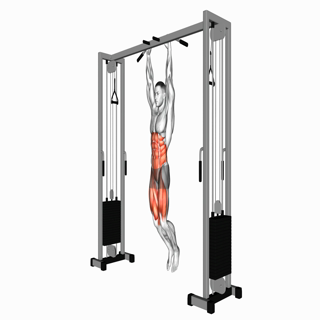
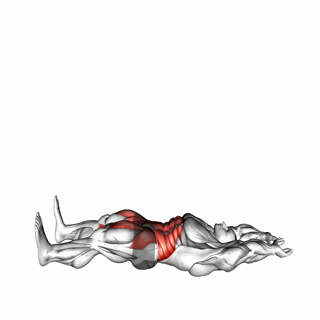
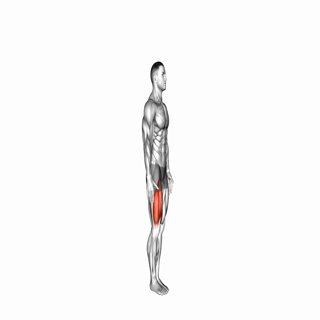
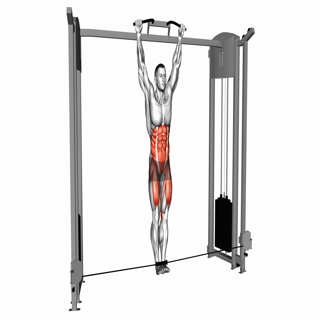
How to train hip flexors and adductors
The hip flexors get stronger from hanging or captain's chair leg and knee raises. The adductors get stronger from machine or cable hip adductions, side planks with adduction and wide exercises such as sumo squats and Cossack squats. Two exercises a week are enough for most people.
If your hip feels tight after a lot of sitting, add a stretch at the end of your workout and do the strengthening exercises under control through a full range of motion. For groin problems, strengthening is usually more effective than stretching alone.
How many weekly sets for the adductors
These are the numbers SisuLift starts your weekly volume from before you have any training history. As your logs build up, the app moves the target based on how your strength develops. Only hard sets count: a direct exercise counts as one set, and an exercise where the muscle assists counts as half a set.
| Experience | Minimum | Target | Upper limit |
|---|---|---|---|
| Beginner | 5 sets | 9 sets | 14 sets |
| Intermediate | 7 sets | 12 sets | 17 sets |
| Advanced | 8 sets | 14 sets | 20 sets |
Minimum is the amount that usually still drives progress. Upper limit is the amount beyond which recovery usually starts to suffer. Split the weekly sets across two or three workouts.
Example workout from the most-logged exercises
The most-logged exercises from different exercise families, compound movements first. Sets, reps and rest are the same ones SisuLift uses for a muscle growth goal.
| Exercise | Sets | Reps | Rest |
|---|---|---|---|
| Lever Seated Hip Adduction | 3–4 | 8–12 | 2 min |
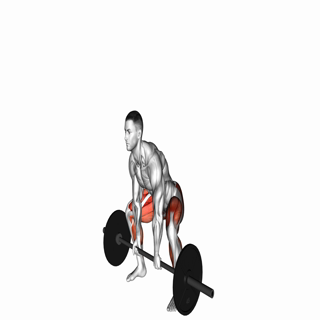
| Sumo Deadlift | 3–4 | 8–12 | 3 min |
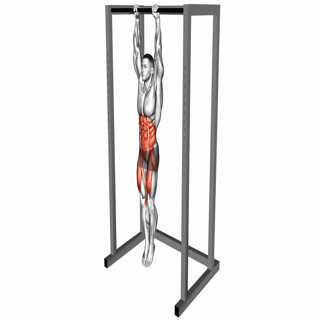
| Hanging Knees to Elbows | 3–4 | 8–12 | 2 min |
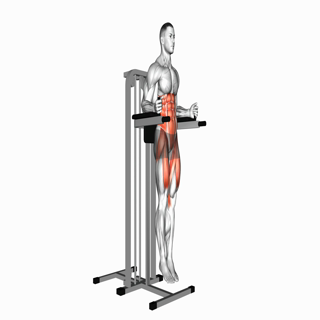
| Captains chair leg raise | 3 | 10–15 | 1.5 min |
Done twice a week, this adds up to 24–30 sets per week. The rep ranges are those for a muscle growth goal.
All hip flexor and adductor exercises (16)
Every exercise with a guide page in the exercise library, grouped by equipment. The equipment heading takes you to all exercises for that equipment.
Bodyweight10 exercises
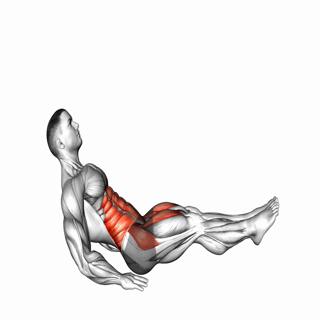
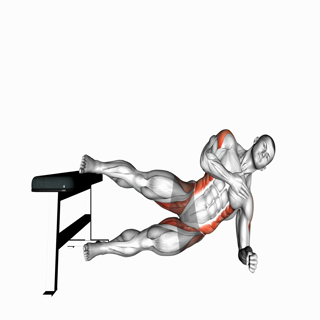
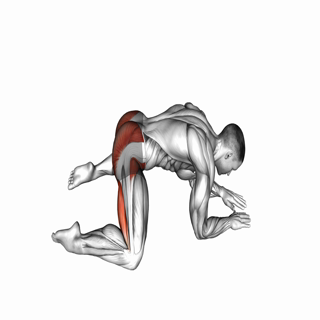
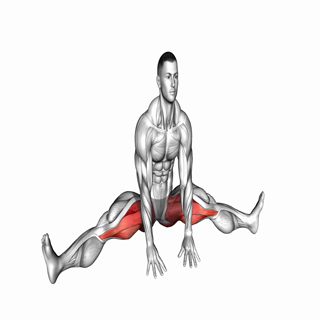
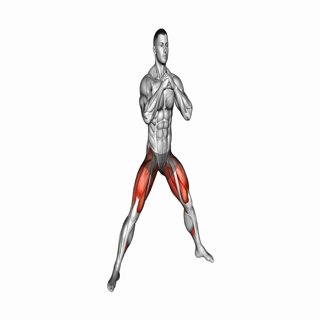
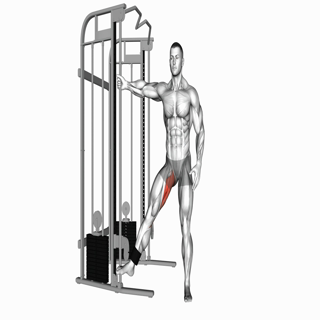
Machine1 exercise
Barbell1 exercise
Sled1 exercise
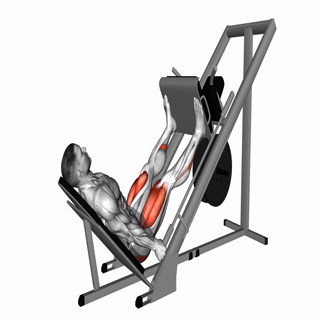
Smith machine1 exercise
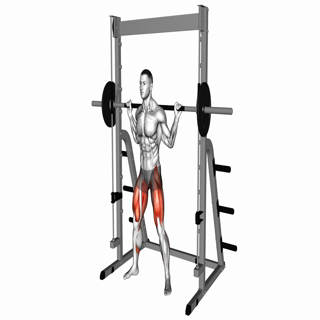
Frequently asked
How do you strengthen the groin?
The groin muscles are mainly adductors. Machine or cable hip adductions, side planks with adduction and Cossack squats strengthen them. Start light and add load weekly. In studies, adductor strengthening in a side plank has reduced groin injuries in football players.
Why are my hip flexors tight?
Long sitting keeps the hip flexed, so the hip flexors get used to a short position. Feeling tight does not always mean a short muscle, often it means a weak one. Combine a stretch in a lunge position with strengthening exercises such as hanging leg raises, so your hip moves and copes better.
Do hip flexor exercises help with a desk job?
They do, especially together with stretching. A hip flexor stretch in a lunge position, glute bridges and walking breaks during long periods of sitting keep the hip mobile. Sitting itself is not dangerous, but staying still for long periods makes you stiff.
Is the adductor machine worth using?
It is if you want to strengthen your inner thighs or prevent groin injuries. The machine is an easy way to load the adductors safely and increase the weight gradually. It will not tone the thigh locally, though, because fat cannot be burned from one spot.
What should I do when my groin hurts?
With a fresh strain, rest from movements that cause pain and start light movement after a few days. Long-lasting groin pain can come from the adductors, hip flexors, hip joint or a hernia, so if the pain does not ease within a couple of weeks, see a doctor or physiotherapist.