


Exercises · Hamstrings · Updated
Leg curl
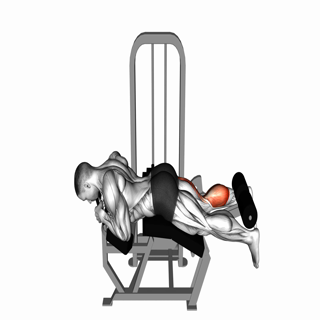
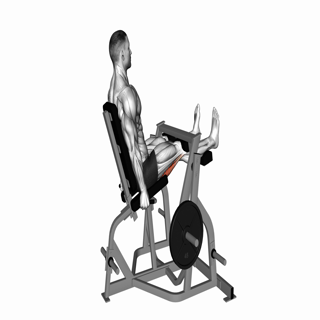
The leg curl is an exercise where you bend your knee against resistance, usually seated or lying in a machine. It is the only common gym exercise that loads the hamstrings as knee flexors, while deadlifts load them through the hips. The hamstrings develop best when your programme includes both.
- Primary muscle
- Hamstrings
- Equipment
- Machine, Dumbbell, Bodyweight
- Variations
- 8 exercise pages
Leg curl: variations and what they target
The variations differ mainly in hip position. Seated, the hamstrings are in a stretched position and lying they are shorter, while home versions replace the machine with bodyweight or a dumbbell.
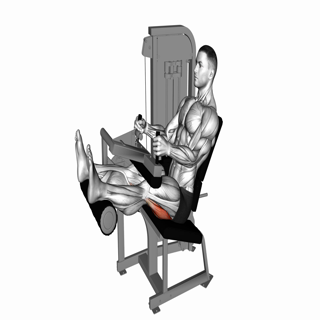
- Lever Seated Leg CurlThe seated machine curl. The hips are bent, so the hamstrings work in a longer stretch. In a study the seated version built more hamstring muscle than the lying one.
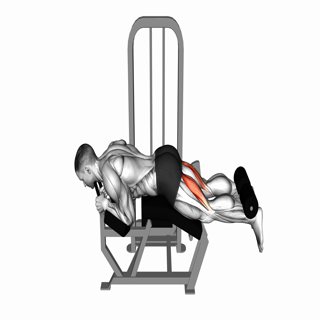 Lever Lying Leg CurlThe lying machine curl, face down. The hamstrings work in a shorter position. A good option if your gym only has this machine.
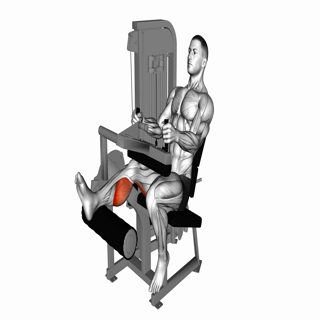 Lever Seated One Leg CurlOne leg at a time, seated. Reveals side-to-side differences and lets you focus on the path.
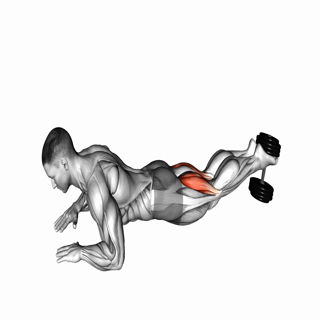 Dumbbell Lying Hamstring CurlFace down on a bench with a dumbbell between your feet. A home version where the weight stays in place only with precise technique.
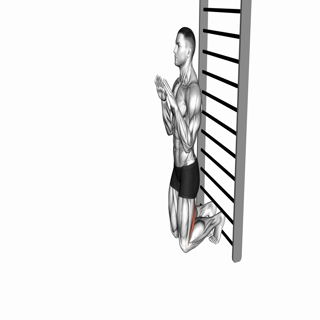 Nordic Hamstring CurlThe Nordic hamstring curl with bodyweight and ankles anchored. A very hard braking movement, also used to prevent hamstring injuries.
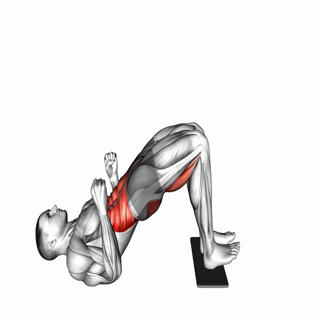 Sliding Leg Curl on Floor with TowelThe sliding leg curl on the floor on a towel or slider. Works at home without equipment and combines a glute bridge with knee flexion.
Sets and reps by goal
These are the numbers SisuLift uses when it programs this exercise. Sets come from the app's program templates and reps from the range inside which the app increases the weight.
| Goal | Sets | Reps | Effort | Rest |
|---|---|---|---|---|
| Strength | 2–3 | 8–12 | RPE 8–9 | 1.5 min |
| Muscle growth | 3 | 10–15 | RPE 7–8 | 1.5 min |
| General fitness and fat loss | 3 | 10–15 | RPE 7–8 | 1.5 min |
RPE describes how hard a set is on a scale of 1–10. RPE 8 means you would still have about two reps left.
When every set reaches the top of the range, SisuLift raises the weight by one equipment step next time and the reps drop back to the bottom of the range. In a calorie deficit the range stays the same, because that is when you want to keep your loads.
Leg curl in your program
The leg curl fits the end of a leg day or after an upper-body session, because it barely loads the back or taxes recovery. Many programmes put it after the Romanian deadlift on the same day.
Around 10–16 sets a week is enough for most people's hamstrings, and the leg curl can be 3–6 of them. Take the lowering phase slowly, because the hamstrings grow and get stronger precisely in the braking phase.
On the curl machine you can add load in small steps. SisuLift raises the weight by one step when every set reaches the top of the rep range, and the seated and lying versions keep separate histories.
If your hamstrings cramp in the curl, reduce the weight and warm up with a couple of light sets first. Cramping is common when the range is full and the hamstrings are not used to the short position, and it usually eases after a few sessions.
If you train at home, the sliding curl and the Nordic curl are plenty for the hamstrings when you do them slowly and close to failure.
Technique essentials
- Adjust the machine so your knee lines up with the machine's pivot and the pad sits just above your ankle. On the seated machine the thigh pad holds your legs in place.
- Bend your knees until your heels come as close to your glutes as possible, and pause briefly at the end.
- Return under control until your knees are almost straight. Your hips stay still and do not lift off the pad throughout the set.
Most common mistakes
Lifting the hips and swinging. When your hips rise off the bench lying down or slide forward seated, the movement shortens and your back does part of the work. Reduce the weight so your hips stay still.
Too short a range of motion. Many stop the return halfway, so the hamstrings never reach the stretch. Return your knees almost straight and curl all the way, even if the weight is lighter.
A fast return. When you let the weight drop back, the hamstrings skip the braking work that builds and strengthens them most. Return over about two seconds and keep the weight under control the whole way.
Frequently asked
What muscles does the leg curl work?
The hamstrings: the biceps femoris, semitendinosus and semimembranosus. The short head of the biceps femoris works only in knee flexion, so deadlifts cannot replace curls. The calf assists.
Seated or lying?
Seated, if you can choose. When seated your hips are bent and the hamstrings work in a longer position, and in a comparison study the seated curl built more hamstring muscle than the lying curl. The lying curl also builds muscle, so use it if your gym has no seated machine.
How should you position your feet and toes?
Keep your ankles flexed with toes toward you, so the calf helps less and the hamstrings do more. Turning the toes slightly out emphasises the biceps femoris, and turning them in the inner hamstrings. The difference is small, so full range of motion matters most.
How can you do leg curls at home?
The sliding leg curl on the floor on a towel is the easiest home version. You lift your hips into a glute bridge and pull your heels under your glutes. A dumbbell lying face down, a resistance band or a Nordic curl with your feet anchored under a sofa also work.
What is the Nordic hamstring curl?
A kneeling exercise where your ankles are anchored and you lower your upper body forward under control, braking with your hamstrings. It is the hardest bodyweight hamstring exercise and is widely used to prevent hamstring injuries in athletes. Start with a small range and catch yourself with your hands.
Leg curl or Romanian deadlift?
Both. The Romanian deadlift loads the hamstrings as hip extensors and also builds the glutes, while the leg curl loads them as knee flexors. The hamstrings develop best when your programme includes a movement from each group.